
Discovering the Roots of Madden Hill
Nestled in the storied heart of Dayton’s west side, Madden Hill is a neighborhood that radiates history, resilience, and old-fashioned Dayton grit. Bordered by the larger Dayton View and the historic Westwood neighborhoods, Madden Hill is today remembered not just for its tree-lined streets, but for its deep roots in the city’s past and its vibrant spirit.
How Madden Hill Got Its Name
Madden Hill owes its name to John E. Madden, a prominent local businessman and philanthropist of the late 19th and early 20th centuries. His family, drawn to Dayton’s booming industry and the quiet, elevated views of the area, settled here as the city expanded. The “hill” portion ties to the area’s gentle incline, offering neighbors a vantage point over the city and Miami Valley. In the days before Dayton became thoroughly urbanized, this slight hillslope was a notable geographic feature, and tying the Madden name to it formalized the neighborhood’s identity.
Early History and Neighborhood Formation
Before Madden Hill was platted as a neighborhood, the land was a patchwork of farmland and modest estates. As Dayton’s population swelled in the years after the Great Flood of 1913, developers looked westward for new suburban opportunities. Families sought higher ground, both literally and figuratively, away from the flood-prone downtown and the industrial riverbanks.
In the 1920s and ‘30s, Madden Hill took shape along core streets like Oxford Avenue, Westwood Avenue, and the tree-shaded Madden Hills Drive. Modest single-family homes, brick bungalows, and “Cape Cod” styles rose quickly — many still stand as sturdy testaments to the craftsmanship of those times.
Historical Milestones
- 1930s: Churches, small businesses, and schools like MacFarlane Elementary joined the grid, fostering a self-sustaining community.
- 1950s: Postwar housing booms brought a new wave of homeowners, with veterans using the GI Bill to settle with their young families.
- 1960s-70s: The Civil Rights era impacted west Dayton, and Madden Hill grew as a center for African American families seeking opportunity and equity.
- 1980s-present: Like many Dayton neighborhoods, Madden Hill weathered economic ups and downs. Recent decades have seen renewed efforts by residents and local organizations to preserve both homes and heritage.
Notable Landmarks & Institutions
While Madden Hill is largely residential, it boasts several landmarks and treasures that define the neighborhood’s character:
*Grace United Methodist Church (1001 Harvard Blvd.)*
Founded in the early 20th century, Grace has long been a beacon for spiritual life and social action in Madden Hill. The church’s gothic revival architecture and bustling fellowship are central to the neighborhood’s sense of community.
*Madden Playground & Park (1750 Germantown St.)*
This greenspace has served generations of Madden Hill kids and families with basketball courts, picnic areas, and walking trails. On humid summer evenings, locals gather here to relax and catch up—one of the hallmarks of life in Dayton’s neighborhoods.
*Historic Homes and Streetscapes*
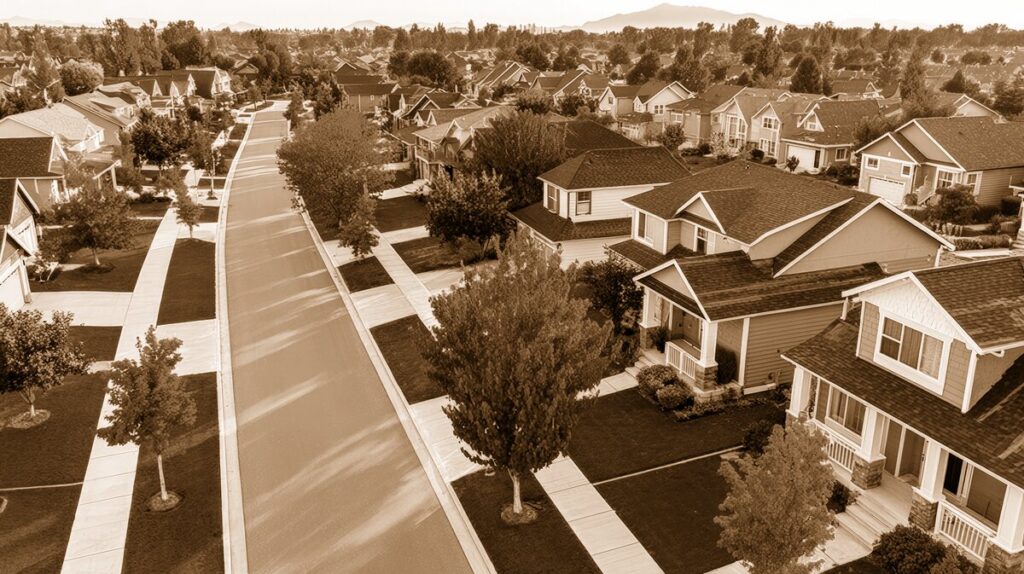
Take a drive down Oxford Avenue or Princeton Drive, and you’ll spot stately brick homes with multi-paned windows and deep porches. Many homes feature architectural details from the 1920s era, like arched entryways and sturdy hardwood floors.
*Educational Legacy*
MacFarlane Elementary, though technically just outside the strict borders of Madden Hill, is the alma mater for generations of neighborhood children. The school has long served as both an educational hub and a community event space.
A Neighborhood in Transition
Like many historic Dayton neighborhoods, Madden Hill has faced challenges—shifting job markets, aging housing stock, and the slow march of suburban sprawl. But what sets Madden Hill apart is its resilience and the pride of its residents.
In recent years, local organizations and passionate homeowners have invested in restoration projects along Bedford Street and Biltmore Avenue, rallying to keep the classic homes in top shape. Block parties and neighborhood clean-ups signal a renewed commitment to the area’s heritage.
Stories from Longtime Residents
Ask any longtimer around Madden Hill, and you’ll quickly hear stories:
- The annual Fourth of July picnics at Madden Playground where families gather, just as their grandparents did, to watch fireworks light up the sky above Westwood Avenue.
- Tales of children dashing down Princeton Drive on bicycles, leafy oaks overhead and the whir of cicadas in the air.
- The pride of homeownership—often passed down through generations—a primary theme of neighborhood lore.
Looking Toward the Future
Today, Madden Hill stands as a testament to Dayton’s working-class roots and enduring community values. Young families move in alongside empty-nesters; community groups partner with the city to plant trees, restore old houses, and preserve the character that makes Madden Hill so special.
With its blend of history, architectural charm, and neighborly warmth, Madden Hill is more than just a spot on the map—it’s a living chronicle of Dayton’s promise and perseverance. Whether you’re strolling along Harvard Boulevard or helping out at a local event, you’re a part of that ongoing legacy.
Why Madden Hill Matters
In a rapidly changing world, neighborhoods like Madden Hill remind us that heritage is not just about buildings or names, but about the connections we forge and the memories we share. From its early origins on the outskirts of the city to its role as a steadfast community through change and challenge, Madden Hill’s story is, at its heart, a Dayton story—one of resilience, reinvention, and community spirit.
So if you find yourself in west Dayton, take a detour through Madden Hill. Listen for the laughter in the park, the echo of distant church bells, and the quiet pride in the air. Here, history lives—not just in museums or plaques, but in everyday life.